- October 19, 2026
- Debbie Hall
Here’s what goes into ensuring commercial window covering safety before anyone ever notices how the treatments look.
Every October, the window covering industry puts safety front and center, and most of that conversation focuses on homes with young children. Last year I wrote about cordless shades for families with toddlers and pets.
This year I want to talk about the senior living and hospitality projects we take on through Window Alternatives, the commercial division of Designer Draperies. On those jobs, safety goes into the plan at the very first blueprint review.
Cord Compliance Comes First
Cord safety regulations now require cords on window treatments to be eliminated entirely or properly secured. I walk every commercial client through those requirements before we order a single shade, because cordless and motorized systems have to be planned long before install day.
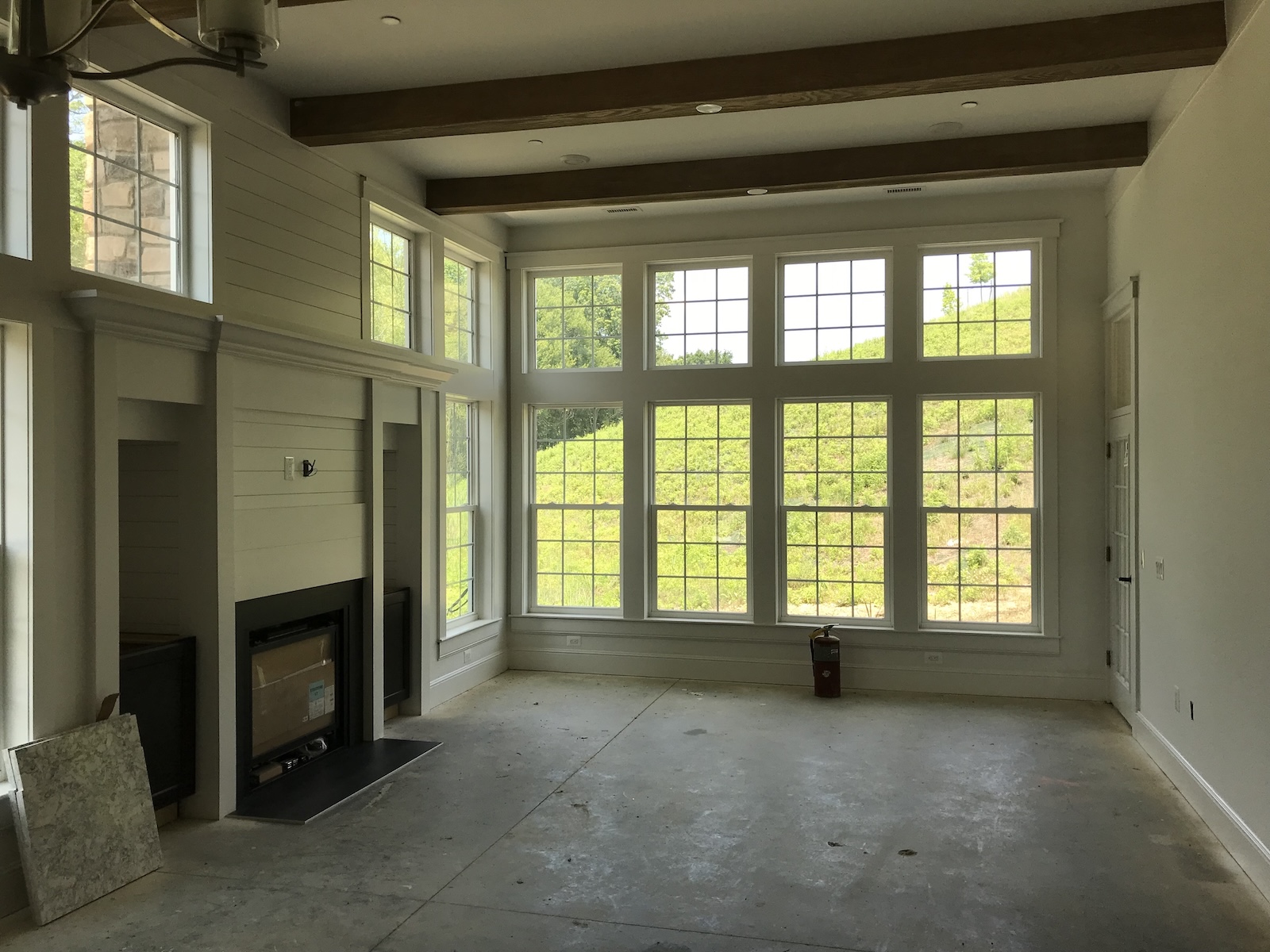
On larger projects, we visit the site early and share cut sheets with the electricians so the wiring for motorized shades is in place by the time we arrive.
Fire Ratings Shape the Fabric Conversation
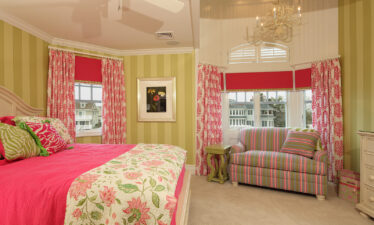
All of the draperies and cubicle curtains we make for commercial clients have to be fire-rated to meet code. That requirement narrows the field of choices before we can even think about color and pattern, so we bring it into the design conversation early.
If a fabric isn’t fire-rated on its own, we can often send it out for treatment, though whether that works depends on the fiber content. After nearly 30 years, I know which fabrics meet the bar, which ones can be treated, and which ones still hang well afterward. I’d much rather sort that out at the sample stage than after a designer has fallen for something that won’t pass.
Motorization Pulls Double Duty
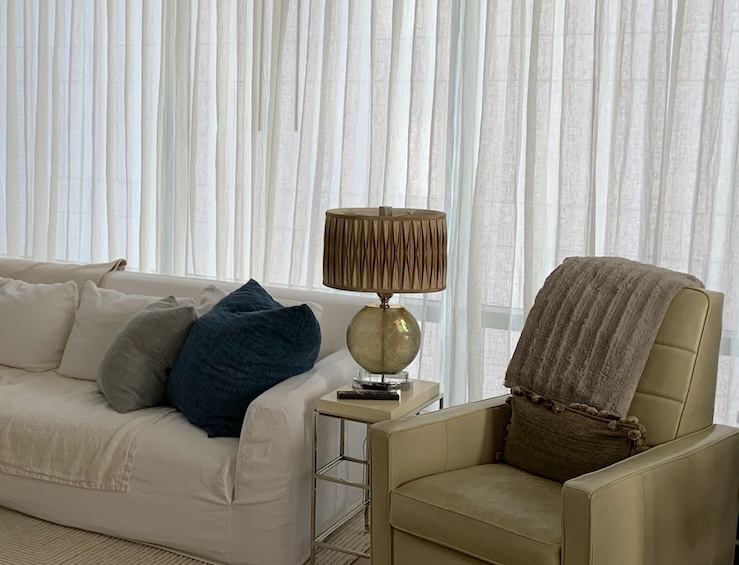
Taking the cords away removes a physical hazard. Motorization also gives facility staff consistent control over light and privacy, which matters when a building has hundreds of windows and nobody has time to adjust them one at a time.
In memory care, blackout treatments help residents keep a steady sleep rhythm.
Big Rooms Get Loud
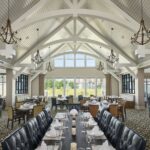
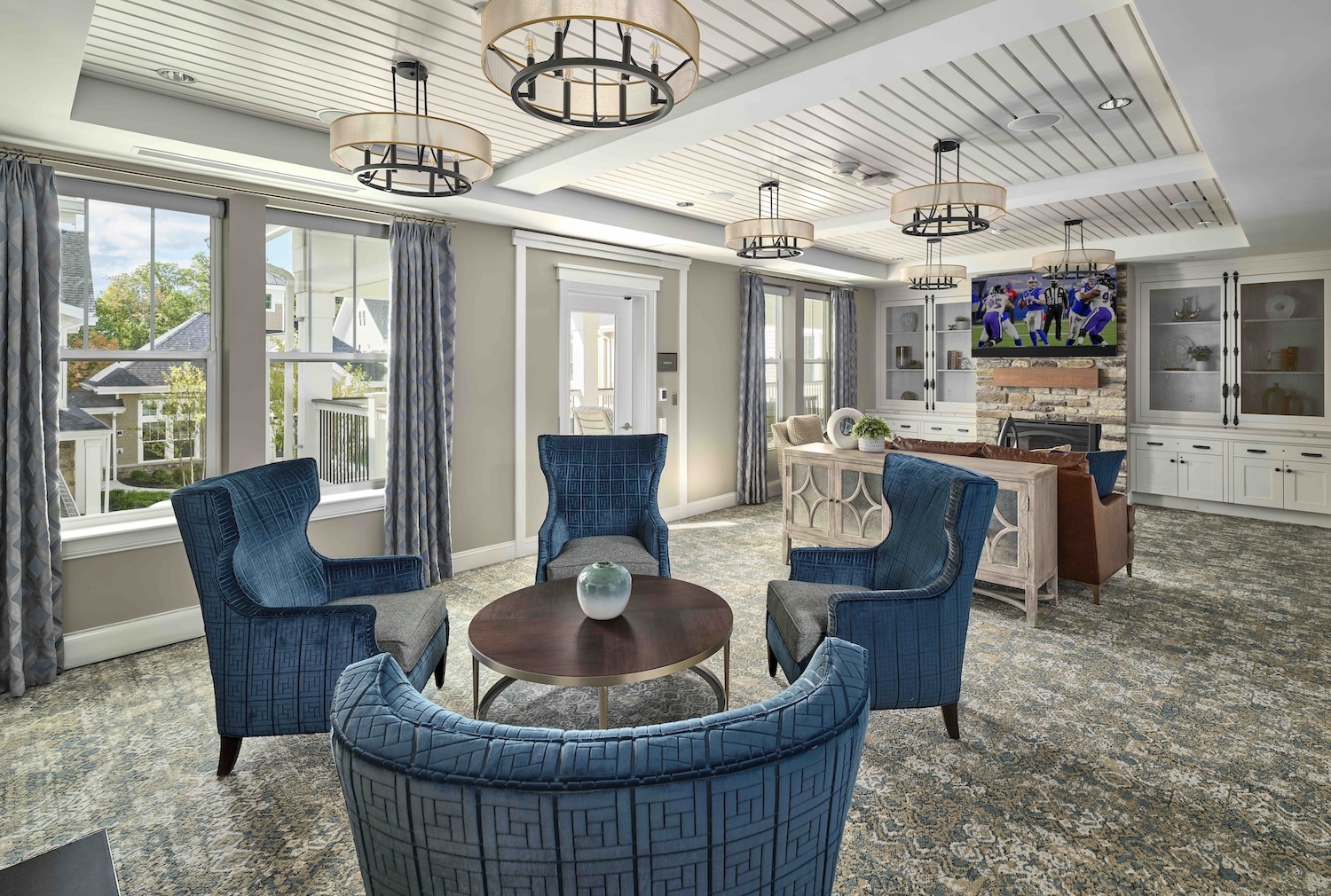
Dining rooms and community spaces fill up fast, and hard surfaces bounce every conversation around the room. Soft panels and layered drapery absorb sound and make a large space feel more like home.
In medical and wellness areas, custom cubicle curtains give residents privacy without closing anyone off from staff.
What Holds it All Up
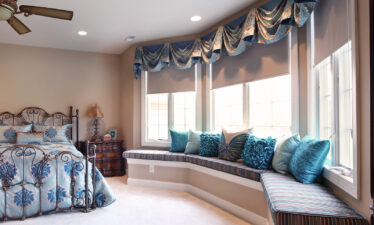
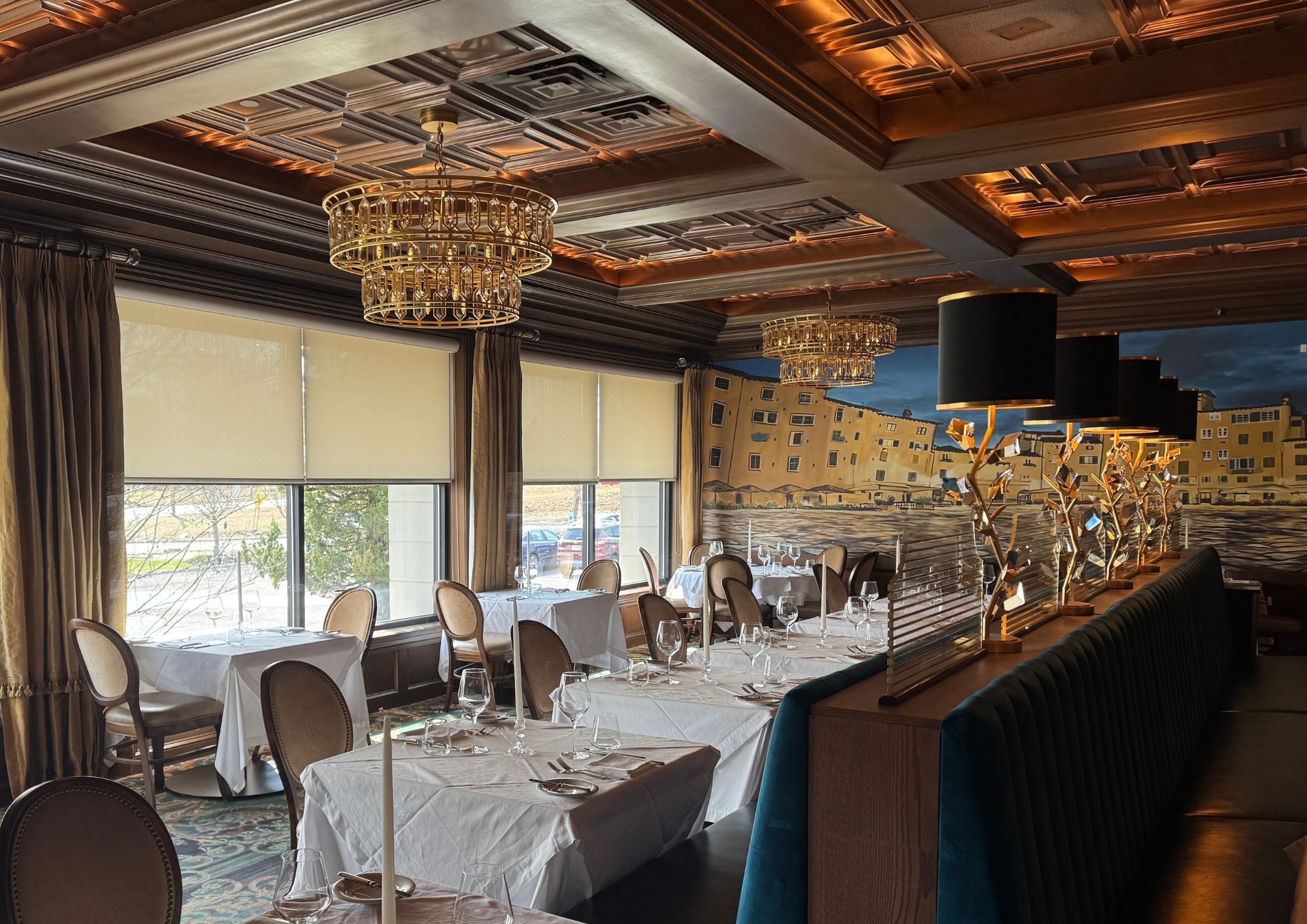
A cornice board or layered drapery system adds real weight. Before any install with drop ceilings, we inspect the ceiling structure and flag where blocking needs to go in.
We plan delivery and storage with the job superintendent, then take final measurements once drywall and windows are in. Some commercial windows sit more than 30 feet up, so our team uses lifts to reach them safely. Our crew shows up in hard hats, high-visibility vests, boots, and safety glasses.
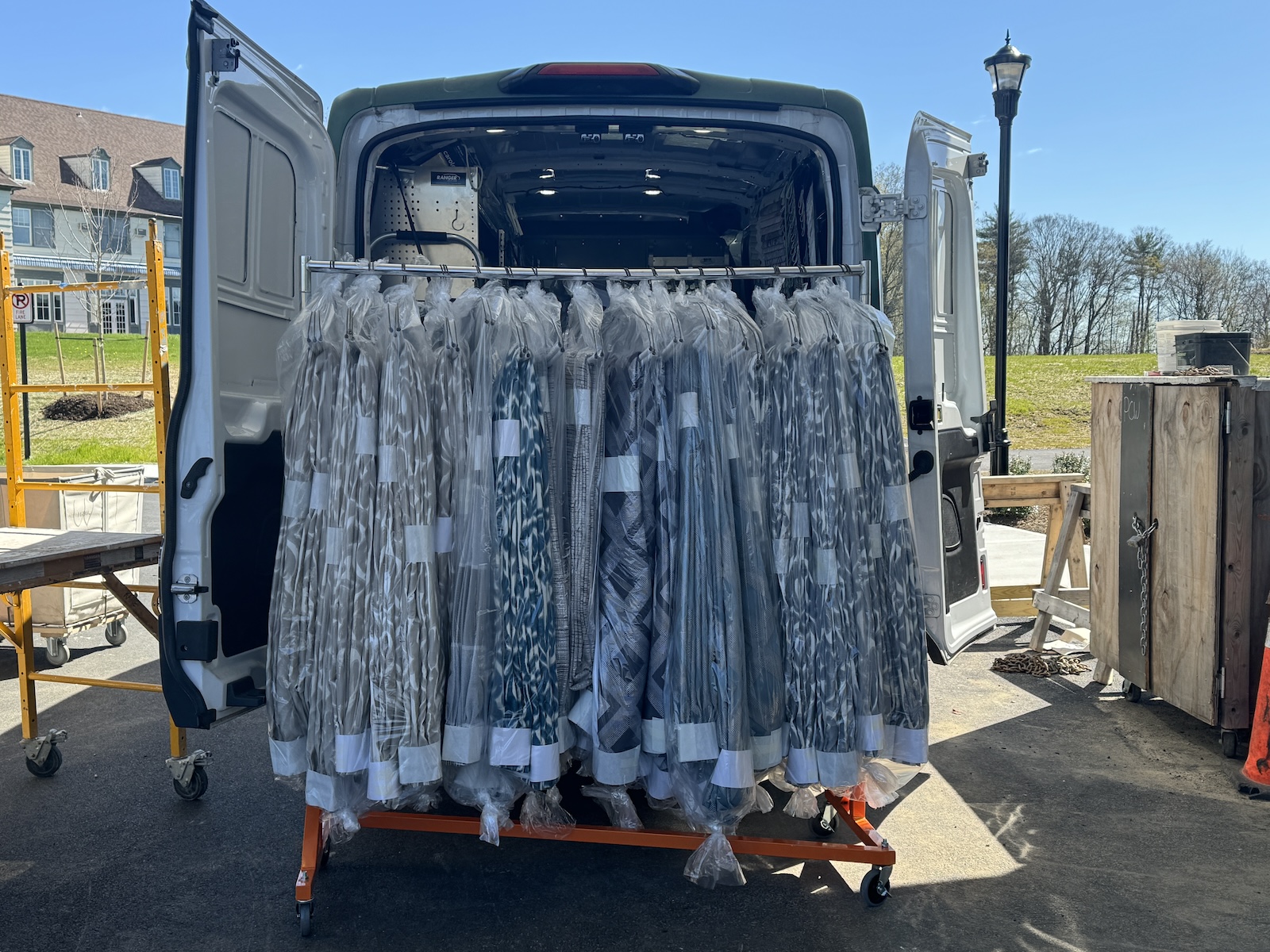
If you see a catering cart loaded with blinds and drapery panels rolling across a job site, Trent is probably pushing it.
If you’re designing or managing a senior living or hospitality space in New Jersey, New York, or Pennsylvania, bring us in at the blueprint stage. We’ll count every window straight from the plans and flag structural needs before a single panel is cut. Reach out to Window Alternatives to start the conversation.